

Increasing access to outdoor spaces for better health in Berks County, Pennsylvania.
Berks Nature + Penn State REACH at a Glance
Berks Nature is a nonprofit conservation organization and the leading agent for land protection and environmental conservation in Berks County. The organization protects land through conservation easements and acquisitions, provides environmental education for the community, supports watershed associations, and manages nature preserves with trails.
Their partnership with the CDC funded REACH program at the Penn State College of Medicine has allowed Berks Nature to increase access to both outdoor spaces and physical activity, specifically targeting the Hispanic and Latino communities in Reading, Pennsylvania and surrounding counties. Using the CDC’s Active Communities Tool to help assess infrastructure and develop an action plan, the partnership has several notable successes and ongoing collaborative projects, including trail expansion, the establishment of public transportation routes to The Nature Place (the home and campus of Berks Nature), the installation of trail counters to collect data on trail traffic and usage, and the development of bilingual outreach materials and programs for the public.
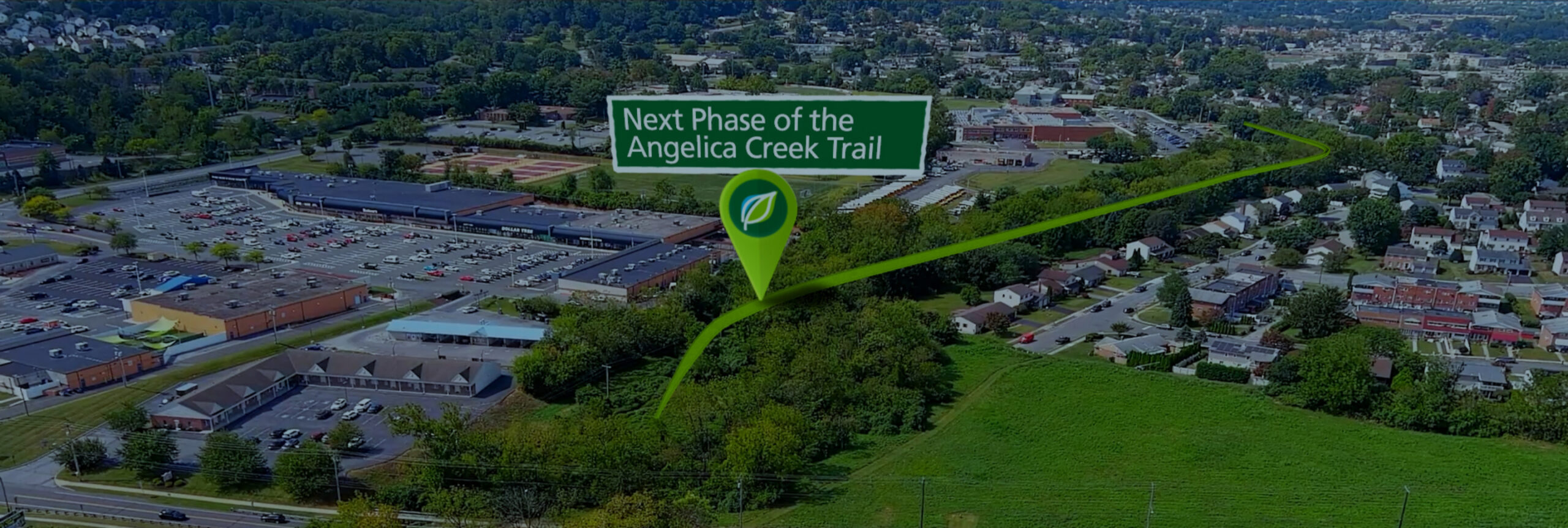
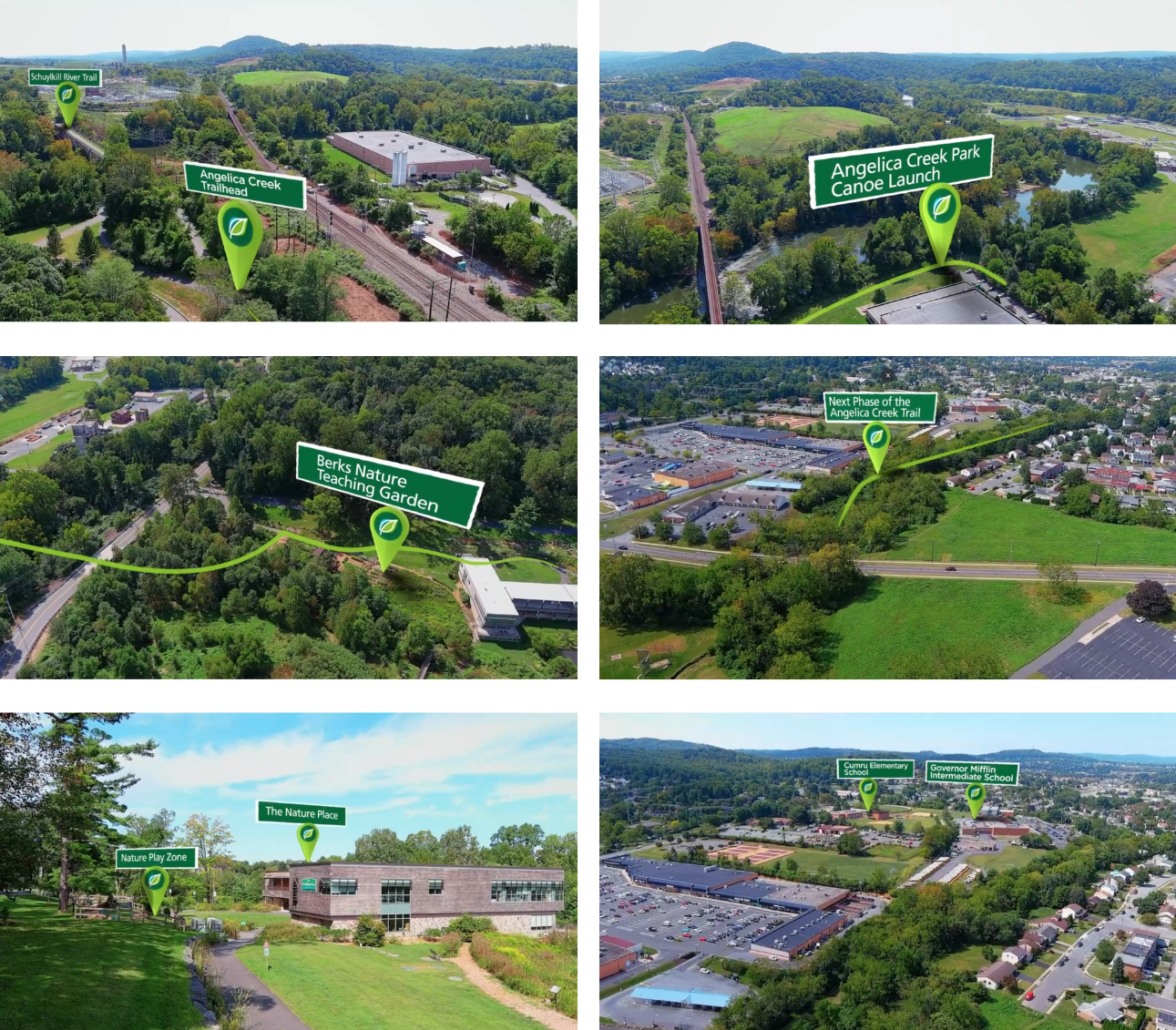
Berks Nature’s main priority in developing these programs and initiatives has been to improve the built environment and help reduce some of the barriers that prevent people from accessing recreational outdoor spaces. In addition, the partnership between Berks Nature and REACH has funded important communication assets that expand the organization’s impact. New physical signage means safer, more confident use of the trails for the community, while bilingual marketing materials increase awareness of available resources to help increase participation. Outreach video content outlines the current trail and future plans visually, which helps communicate the organization’s vision to the community and stakeholders. The partnership has seen overwhelming success, with measurable outcomes showing increased use of the trails and increased engagement with the community.
The Public Health Challenge: Getting Community Members Outside
In 2019, a study published in Scientific Reports concluded that spending two hours outside per week is positively associated with good health and well-being. However, Richard Louv, author of Last Child in the Woods, found that the average American child spends just 1% of their time outdoors in unstructured play. “That’s alarming,” asserts Tami Shimp, President of Berks Nature. “It’s alarming to any parent, but also particularly to those of us in the conservation field. How is the future generation going to care about the environment and the work that we’re doing if they’re not spending time in it?”
In Reading, where approximately 76% of the population is Latino, Berks Nature’s goal is to increase access to the outdoors and related health-promoting resources. While Berks Nature is connected to the city via the Schuylkill River Trail, it’s quite a distance for downtown residents. With low levels of outdoor activity contributing to poorer physical and mental health outcomes, Berks Nature identified a community need for better access to outdoor recreational space for Reading residents. “Nature is essential to our quality of life. Trails do a great job of getting people outdoors, connecting them to nature while also being active. I think when you couple the exercise along with being outdoors, it’s a win-win for a person’s overall health,” says Jeremy Haymaker, Trails and Preserve Manager.
A Data-driven Approach
Berks Nature began working with Penn State Health through the Penn State REACH program in 2018, initially in service of trail work, with a focus on trail expansion. Berks Nature manages over 25 miles of trails with the Greater Reading Trails Partnership, which connects municipalities and nonprofits from around the greater Reading area. These connections result in coordinated efforts to implement the county’s greenway and recreation plans. An initial needs assessment conducted by the Penn State REACH team revealed that residents wanted more access to safe places for physical activity, like trails and walkable spaces. Berks Nature used that data to advocate for investment in trail development and the expansion of the Angelica Creek Trail.
Next, the Berks Nature and Penn State REACH sought to get as many people as possible out on the free public trails. Using the CDC’s Active Communities Tool to assess infrastructure and develop an action plan, they advocated for a public bus stop through BARTA (Berks Area Regional Transportation Authority) and as of January 2026, the local Route 9 connects downtown Reading to the Nature Place. This vital link now provides regular, reliable transportation between the heart of Reading and the 90-acre Angelica Creek Park.
According to Steven Negron-Candelario, the Project Director for Penn State REACH, the new bus access means that “programming can be built around that access point. We’re able to provide activities for children, activities for families, [and teach] bicycle and pedestrian safety. We now have new opportunities for us to further engage the communities that we already work with.”
Berks Nature has also developed marketing and educational materials in English and Spanish, and has improved trail signs to make the pathways more convenient and usable. In addition, they’ve produced video content for outreach that relies on compelling visual storytelling. Such messaging will promote and sustain community support and continued collaboration with other organizations.
Results
The partnership between Berks Nature and Penn State REACH has had significant, tangible impact on the community as well as on future sustainability. The project has improved access to nature and physical activity both by providing real, material access from the city to the Nature Place, where community members can pick up trails or access the Nature Play Zone, which encourages children to explore, learn, and engage in unstructured free play in nature.
The installation of trail counters allows Berks Nature to track and respond to community use of the trails, which provide actionable data for planning and future programming. The development of bilingual programming allows the organization to expand its outreach to local Hispanic and Latino community members, and the development of additional communications materials has increased awareness (and will continue to promote) the available resources and programs provided.
The long-term infrastructure developed, including the expanded trails systems and expanded access, means Berks Nature can continue to benefit the community beyond the REACH partnership. Finally, the partnership between Penn State REACH and Berks Nature has helped support staff positions and strengthen long-term planning efforts. The REACH team also works alongside Berks Nature to help assess and evaluate projects, ensuring that plans and activities are guided by data and aligned with priorities identified through the community needs assessment. These ongoing community engagement efforts, along with culturally relevant programming, help build trust and encourage greater participation.
Maybe most importantly, however, is the engagement The Nature Center provides for young people. A preschool on campus provides opportunities for children to lead healthier lifestyles and interact in nature. A community garden provides hands-on learning about and healthy eating habits. “Such habits,” according to Negron-Candelario, “when reinforced at a young age, develop into lifelong habits that will then help reduce health burdens and improve health outcomes later on in life.”
References
Louv, R. (2005). Last Child in the Woods: Saving our Children from Nature Deficit Disorder. Algonquin Books.
White, M., et al. (2019). Spending at least 120 minutes a week in nature is associated with good health and wellbeing. Scientific Reports. https://www.nature.com/articles/s41598-019-44097-3


